Evidence-informed everyday dog care

Understand your dog.
Improve everyday life.

PawTheory brings training, behavior, enrichment, grooming, nutrition basics, and puppy education into one easy-to-follow resource for modern dog families.

6+Core dog-care areas
20+Practical learning topics
1:1Personalized guidance
365Days of better habits
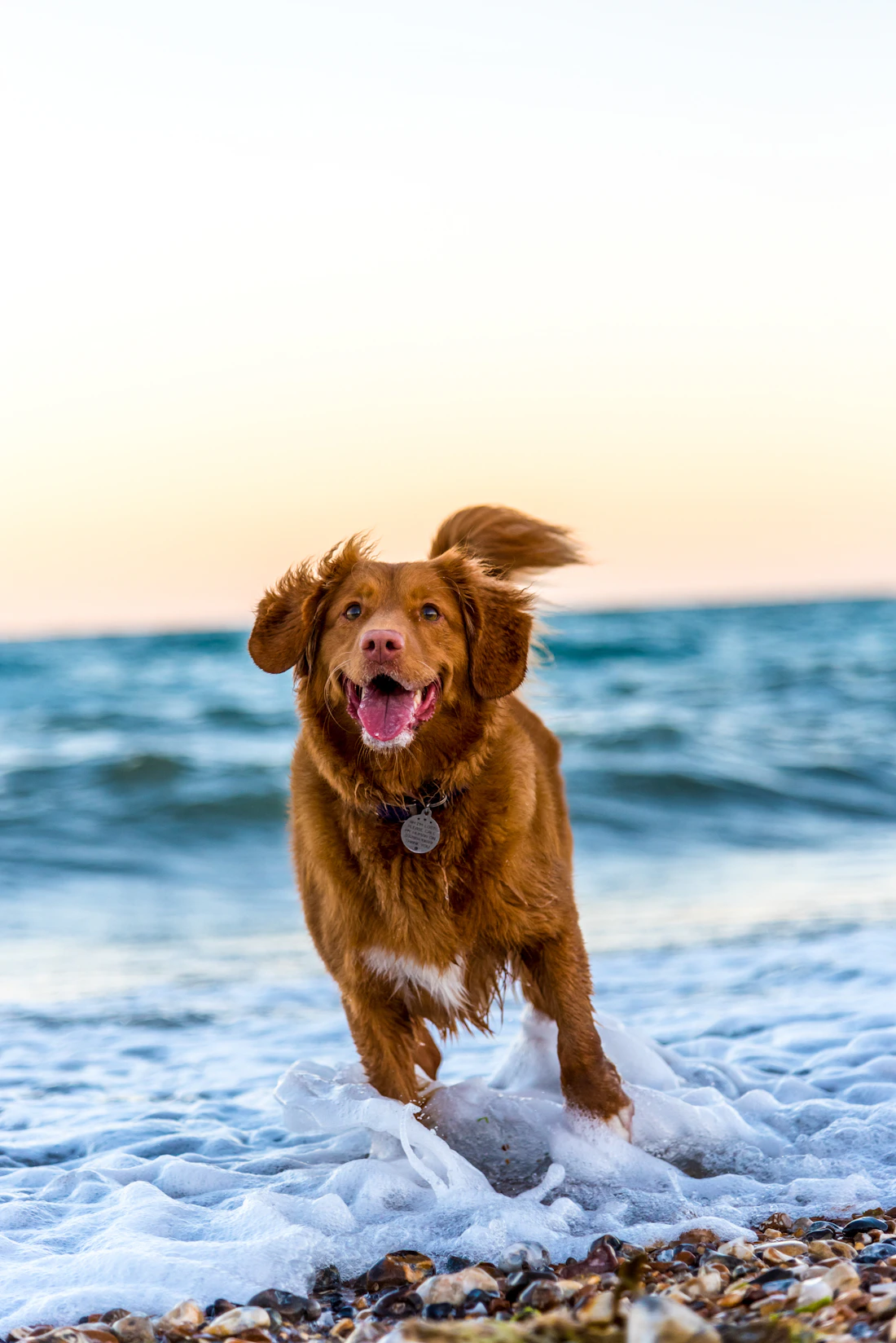
Happy dog outdoors
Golden retriever portrait
Learn β€’ Practice β€’ Observe β€’ Adjust
A Different Approach

Good dog care is more than teaching commands.

It is about understanding routines, needs, environment, and communication.

A dog may know a behavior at home but struggle around traffic, guests, other dogs, food, or unfamiliar places. Context matters.

PawTheory focuses on practical education so families can recognize patterns, make situations easier, reinforce useful behavior, and build skills gradually.

  • βœ“ Clear, practical explanations
  • βœ“ Reward-focused learning principles
  • βœ“ Home, outdoor, and lifestyle guidance
  • βœ“ Age-appropriate puppy information
  • βœ“ Enrichment and healthy routine ideas
Ask About Your Dog β†’
Care Areas

Build a complete care routine.

Explore the everyday areas that influence a dog's comfort, behavior, confidence, and quality of life.

Young puppy
01 Β· Puppy

Puppy Foundations

The first months are an opportunity to build predictable routines and positive learning experiences.

  • House-training routines
  • Name and attention games
  • Handling and grooming practice
  • Safe environmental exposure
Dog learning obedience
02 Β· Training

Everyday Skills

Useful behaviors become easier when training is broken into small steps and practiced consistently.

  • Sit, down, stay and recall
  • Leave-it and impulse control
  • Focus around distractions
  • Calm greetings
Dog behavior
03 Β· Behavior

Behavior Understanding

Look beyond the behavior and examine triggers, environment, reinforcement, and the dog's emotional state.

  • Barking and jumping
  • Reactivity patterns
  • Confidence-building
  • Calmer home routines
Dog walking on leash
04 Β· Walking

Leash & Outdoor Skills

Walking becomes more enjoyable when dogs learn to check in, move with the handler, and recover from distractions.

  • Loose-leash foundations
  • Check-in exercises
  • Distraction management
  • Calm departures
Two dogs together
05 Β· Enrichment

Play & Mental Enrichment

Appropriate enrichment gives dogs healthy ways to explore, sniff, problem-solve, play, and rest.

  • Sniffing activities
  • Food puzzles
  • Interactive play
  • Rest and recovery
Dog resting at home
06 Β· Wellness

Healthy Daily Habits

Consistent sleep, movement, grooming, feeding routines, and observation support long-term wellbeing.

  • Daily routine planning
  • Coat and nail care basics
  • Exercise balance
  • When to ask a veterinarian
Dog enjoying outdoor activity
Behavior Basics

Before changing a behavior, understand the situation.

Observation is one of the most useful tools a dog owner has. Small details can tell you what makes a behavior easier or harder.

1. Notice the trigger

Write down what happens immediately before the behavior: location, distance, people, animals, sounds, objects, time of day, or routine changes.

2. Manage the environment

Prevent unnecessary rehearsals of difficult behavior while you teach an appropriate alternative.

3. Reward the behavior you want

Reinforce calm observation, attention, disengagement, returning, relaxing, or other useful choices.

4. Increase difficulty gradually

Move from easy environments to harder ones rather than expecting the same response everywhere immediately.

Important: Sudden behavior changes, injury-related behavior, serious aggression, bite risk, or severe fear should be discussed with a veterinarian and/or an appropriately qualified behavior professional.
Everyday Topics

Practical answers for common situations.

Use these quick topic areas as starting points for building better routines.

Dog relaxing

Calm at Home

Settling, greetings, door manners and predictable routines.

Dog outdoors

Outdoor Confidence

Build skills while managing distance and distractions.

Dog playing

Recall Practice

Make returning to you valuable and gradually more reliable.

Dog playing outdoors

Play & Enrichment

Channel natural behaviors into appropriate activities.

Dog Knowledge Center

More information. Less guesswork.

Save these educational topics for your next training or care session.

🧠

Learning & Motivation

Dogs learn through consequences, repetition, context, and associations. Keep exercises clear and reinforce behaviors you want to see again.

Learn more β†’
πŸ₯£

Food & Feeding

Feeding needs vary with age, size, activity, health, and individual needs. Use veterinary guidance for personalized nutritional decisions.

Discuss routines β†’
🧼

Grooming Habits

Introduce brushing, nail handling, bathing, ear checks, and other care gradually so the dog can learn to cooperate comfortably.

See grooming tips β†’
😴

Rest & Recovery

Dogs need appropriate opportunities to sleep and decompress. A busy schedule without enough rest can make learning harder.

Build a routine β†’
πŸš—

Travel & New Places

Introduce cars, new locations, surfaces, sounds, and environments gradually while keeping sessions manageable and positive.

Plan a session β†’
❀️

Health Awareness

Owners should watch for changes in appetite, movement, energy, elimination, skin, behavior, and comfort and seek veterinary advice when appropriate.

Get guidance β†’
Simple Learning System

A practical way to approach a new goal.

Whether you are teaching a cue or changing a routine, use a gradual process.

01

Observe

Understand the behavior, context, environment, and your dog's current ability.

02

Make it easy

Reduce distractions and break the desired behavior into smaller achievable steps.

03

Reinforce

Reward useful choices quickly and consistently so the dog knows what works.

04

Generalize

Practice in different rooms, locations, times, and distraction levels gradually.

Sample Family Feedback

Information becomes useful when it fits real life.

β˜…β˜…β˜…β˜…β˜…

β€œThe biggest improvement was understanding why our dog struggled in certain situations instead of simply repeating the same command.”

β€” Sample family Β· Behavior guidance
β˜…β˜…β˜…β˜…β˜…

β€œThe routine ideas were simple, practical, and much easier to follow every day. We finally had a clear starting point.”

β€” Sample family Β· Puppy guidance
β˜…β˜…β˜…β˜…β˜…

β€œWe learned to make distractions easier before expecting better behavior. That changed how we approach walks.”

β€” Sample family Β· Outdoor skills
FAQ

Questions dog owners ask often.

Use these answers as general educational information and seek professional advice for individual medical or serious behavior concerns.

When should puppy training begin?

Age-appropriate learning can begin early. Start with simple routines, attention, gentle handling, appropriate enrichment, and safe exposure to everyday environments.

How long should a training session be?

Short, focused sessions are often easier for dogs and owners. The ideal duration depends on the individual dog, exercise, environment, and distractions.

Why does my dog listen at home but not outside?

Dogs do not automatically generalize a behavior to every location. New smells, sounds, people, animals, surfaces, and distances can make a familiar behavior much harder.

How can I make walks easier?

Begin in a manageable environment, reward check-ins and loose-leash moments, create distance from difficult triggers, and increase difficulty gradually.

Is every behavior problem a training problem?

No. Pain, illness, fear, stress, environmental factors, and other causes can influence behavior. Sudden or serious changes deserve appropriate professional evaluation.

Build a better routine, one small step at a time.

Tell PawTheory what you are working on and use a clear, practical plan for the next step.

Get Guidance β†’
Contact PawTheory

Let's talk about your dog's everyday routine.

This is a ready-to-customize demo contact section. Connect the form to your preferred email or form provider when publishing.

πŸ“
ServiceLocal education & online guidance
βœ‰οΈ
Emailhello@pawtheory.example
πŸ“ž
Phone+1 (555) 317-6428
⏰
HoursMon–Sat Β· 9:00 AM–6:00 PM